Revolutionize Your Outdoor Setting: Professional Landscaping Guidance for an Exceptional Home Garden
Transforming an outdoor space into a stunning home garden involves careful planning and deliberate implementation. By assessing the distinct features of a yard, individuals can set clear landscaping goals. Choosing vegetation appropriate for the local climate is critical. Additionally, adding functional hardscaping elements enhances both beauty and functionality. However, the journey doesn't end there. Discovering how to preserve beauty and ecological balance can enhance any garden to the next level. What approaches will lead to enduring achievement?
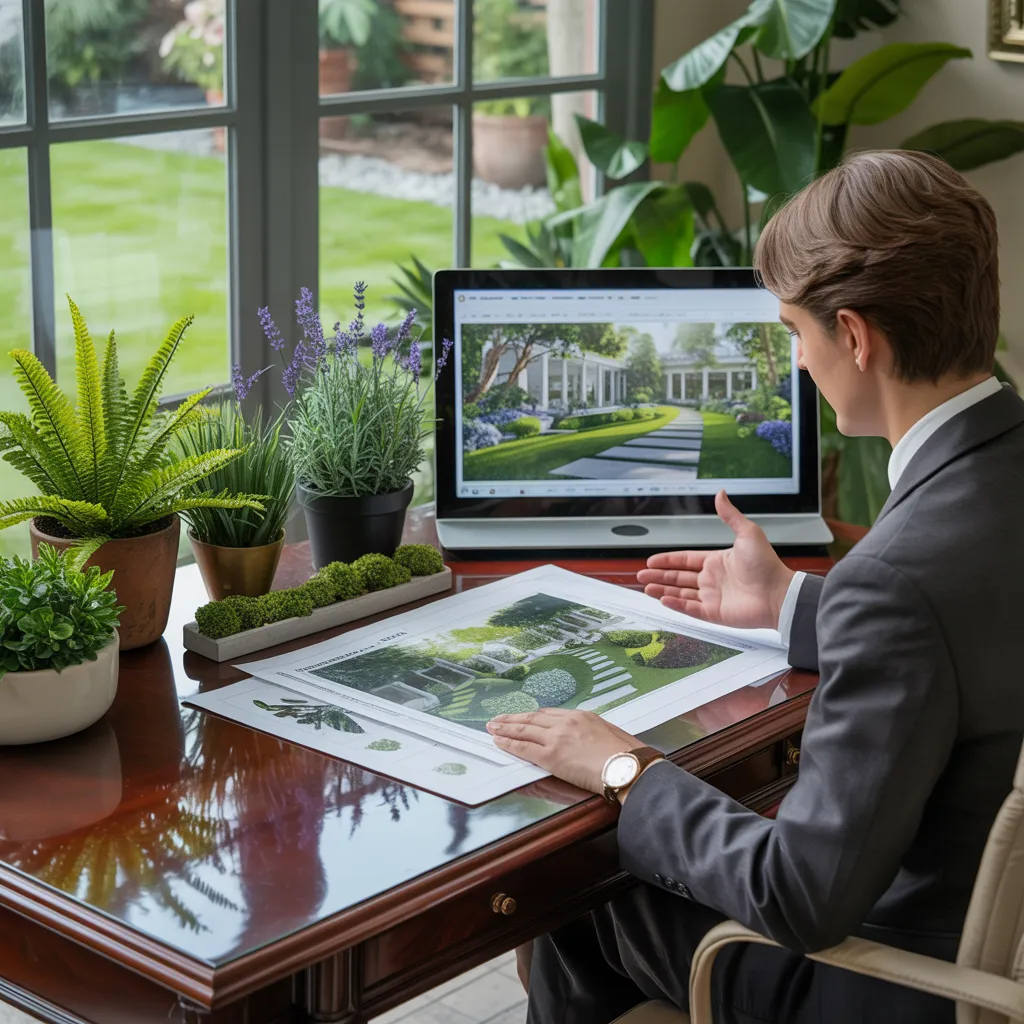
copyrightine Your Property to Determine Your Landscaping Objectives
Before launching any garden project, it is important for homeowners to carefully evaluate their outdoor environment. This initial evaluation helps them to comprehend the unique characteristics of their yard, such as sun exposure, ground quality, and current plant life. Pinpointing these components helps in deciding which design elements can be successfully added into the location.
Homeowners should take measurements and document any obstacles such as trees, barriers, or walkways that could affect the design. Moreover, understanding personal preferences and living requirements—including areas for entertainment, growing plants, or relaxation—can direct the garden objectives. By specifically establishing these goals, homeowners set a solid foundation for a cohesive and functional outdoor environment. This thoughtful assessment results in a more successful and satisfying garden renovation, guaranteeing the outdoor space not only enhances the property's appearance but also satisfies the practical needs of its inhabitants.
Determine the Perfect Plant Selection for Your Local Environment
Selecting the right plants for a particular region is essential for creating a flourishing exterior environment. Grasping regional climate conditions, such as heat levels, precipitation, and moisture levels, supports homeowners select plants that will flourish. Native plants typically adjust best, needing less upkeep and irrigation. As an instance, water-efficient plants are ideal for dry climates, while moisture-loving species thrive in humid climates.
Gardeners should further consider seasonal changes; choosing vegetation that offers continuous appeal improves the landscape. Spring-flowering plants, summer perennials, and vibrant fall foliage can create a dynamic visual experience. Additionally, consulting neighborhood nurseries or agricultural resources can offer helpful information into hardy plant varieties suited to specific conditions.
Eventually, a well-planned plant selection not only enhances beauty but also promotes native fauna and advances environmental sustainability, which makes it a wise choice for any outdoor space transformation.
Improve Your Garden Using Functional Hardscaping Features
Functional hardscaping elements prove vital in creating exterior layouts and increasing their functionality. By incorporating seating areas and expertly planned walkways, homeowners can create inviting environments that encourage relaxation and movement. Additionally, edging can separate different zones within the garden, providing organization and visual interest.
Define Your Exterior Space
Creating a well-organized outdoor space can transform a garden into a welcoming retreat. One reliable technique to achieve this is through practical landscape features, which establish structure and arrangement. Walkways made from natural stone or brick guide guests while enhancing aesthetics. Support walls can establish layered heights, improving the landscape's appearance and preventing soil degradation. Fencing or trellises can establish boundaries, ensuring seclusion and a sense of enclosure. Adding elevated planting areas not only defines planting areas but also makes them more accessible. These elements function together to establish separate areas that enhance both aesthetics and functionality. Ultimately, a thoroughly structured outdoor space fosters a serene environment where homeowners can relax and enjoy nature.
Integrate Seating Areas
Incorporating seating areas into an outdoor space greatly enhances its usability and appeal. By adding practical hardscape features, homeowners can create inviting spots for relaxation, socializing, or enjoying nature. Choices range from benches, outdoor furniture, or hanging seats, each adding to the landscape's visual appeal and coziness. Thoughtfully positioning chairs near focal points, such as flower beds or water features, encourages users to engage with their surroundings. Additionally, using materials like stone or wood can match the landscape's style, ensuring a cohesive look. Overhead coverings, such as arbors or parasols, provide comfort during warmer months, ensuring these spaces are functional year-round. Ultimately, expertly crafted sitting zones transform an ordinary garden into a welcoming retreat for loved ones and guests.
Establish Walkways And Borders
Walkways and borders serve as vital aspects in garden development, moving guests around the garden while boosting its design quality. read here These produce direction and arrangement, helping distinguish distinct areas and botanical selections. Stone, brick, or gravel selections can build permanent walkways, and borders made with plants or decorative fencing improve aesthetic appeal. Exploration is facilitated by passages, which highlight areas like garden displays or fountain features. Properly maintained borders stop weed encroachment and ground deterioration, boosting garden health. Adding pathways and borders increases practicality and enhances decorative appeal in your outdoor space, making areas more welcoming and gratifying.
Create Flow With Pathways and Seating Areas
A well-designed outdoor space often features a harmonious flow achieved through thoughtfully placed pathways and seating areas. Pathways guide visitors through the garden, creating a clear sense of direction while enhancing the overall aesthetic. Using materials like stone, gravel, or wood can contribute to the pathway's visual appeal and guarantee durability.
Seating zones supply stopping places, welcoming people to rest and savor the setting. Placing seating thoughtfully near key features, such as a pond or a garden bed, inspires connection with the landscape. The type of seating—stools, benches, or even recliners—may shape the feeling, whether it be informal or elegant.
Blending pathways and seating zones creates an appealing atmosphere, improving practicality and satisfaction. Used together, they form a fluid movement across multiple regions of the garden, inspiring wandering and peace, finally converting any outdoor location into a serene hideaway.
Enhance Your Landscape With Seasonal Hues and Variety
To boost the decorative value of a garden, strategic selection of seasonal species is vital. Mixing contrasting surface qualities can establish dimension and appeal, while intentionally positioned centers of interest can grab focus and establish a harmonious arrangement. These components in combination promise a vibrant and active outdoor area across the year.
Pick Seasonal Plants Carefully
Choosing seasonal plants thoughtfully can transform any garden into a vibrant tapestry of color and texture. By selecting plants that bloom at different times throughout the year, gardeners can guarantee a continuous display of beauty. Spring bloomers, summer annuals, autumn perennials, and cold-season evergreens each add distinctive colors and shapes to the landscape. It is important to consider local climate conditions and soil types, as well as the plants' growing patterns. Native species often thrive better and require less maintenance, increasing ecological diversity. Additionally, mixing different plant sizes and flowering schedules can create a dynamic visual effect. Ultimately, mindful plant choices fosters a garden that evolves with the seasons, offering a delightful experience year-round.
Create Layered Textures To Achieve Visual Depth
Creating dimensional depth involves mixing textures that support and highlight seasonal tones. By using multiple plant types with varied leaf structures, dimensions, and color ranges, one can achieve a visually dynamic landscape. For instance, the use of broad-leaved plants alongside fine-textured grasses can spark visual interest and mystery. Additionally, embedding natural bark, rocks, and organic matter introduces tactile elements that heighten the garden journey. Blooming plants need to be deliberately positioned to create color moments throughout the seasons, sustaining visual richness at every level. This intentional layout not only draws the eye across the garden but also cultivates an all-encompassing setting where every detail contributes to the garden's beauty and harmony.
Incorporate Design Anchors Strategically
Deliberately placing visual focal elements can greatly improve a garden's aesthetic appeal and seasonal vibrancy. These key visual elements serve as anchors that draw the eye and create a cohesive design. Gardeners can employ elements such as sculptures, ornamental trees, or vibrant flower beds to introduce visual interest. Blooming displays can be integrated through the mindful selection of plants with staggered flowering ensuring that the garden remains dynamic throughout the year. Textural contrasts also play a significant role; combining smooth stone paths with rough bark or lush foliage introduces layering. By strategically positioning these components, a gardener can create an inviting atmosphere that encourages exploration and appreciation, transforming an outdoor space into an engaging retreat.
Adopt Sustainable Practices for a Vibrant Garden
Adopting eco-friendly approaches is essential for nurturing a healthy garden that grows in alignment with the environment. Gardeners are recommended to employ local botanical species, which demand less irrigation and attention while supporting local animals. Using sustainable horticultural practices, including composting and organic pest management, can substantially lower synthetic pesticides, fostering a more vibrant ecosystem.
Efficient water techniques, like efficient water delivery and rain capture, strengthen environmental responsibility by maximizing resource use. Mulch application retains moisture while also suppresses weed growth, lowering the requirement for synthetic herbicides. Additionally, promoting biodiversity by incorporating varied vegetation builds resistance to pest infestations as well as plant diseases.
Soil health is vital; methods such as rotating crops and cover cropping keep nutrient levels excluding artificial nutrients. By adopting these sustainable practices, plant growers can create a thriving garden supporting plant life and ecological balance, creating an enhanced gardening experience.
Address Frequent Issues to Preserve All-Season Garden Beauty
A properly-cared-for planted area can confront numerous problems year-round, altering its general visual appeal as well as health. Frequent challenges consist of pest issues, nutrient shortages, as well as limited water. Recognizing pests quickly is vital; plant growers should frequently check leaves for signs of damage plus treat pest issues applying organic pesticides or bringing in predatory insects.
Lacking minerals frequently show as leaf yellowing as well as stunted growth. Running soil analysis can allow identify specific demands, permitting for focused fertilization Insufficient nutrients often show as discolored leaves and stunted growth. Doing soil assessments can assist identify particular needs, permitting strategic nutrient application returning stability. Additionally, guaranteeing adequate water supply is vital; overwatering can lead to root decay, whereas too little water challenges plants.
Seasonal shifts also call for adjustments in plant care. During winter, applying mulch safeguards root systems against cold, whereas the summer season may require increased watering as well as partial shade to protect fragile plants. By addressing such common issues promptly
Should I Undertake Landscape Projects on My Own or Hire a Landscaper?
It is possible to manage garden work independently, tapping into web-based guides and innovation. However, engaging an expert provides proficiency, speed, and improved output, notably for intricate layouts or bigger undertakings that demand advanced techniques.
What Implements Are Necessary for Residential Landscaping?
Essential items for yard landscaping include a garden rake, spade, shovel, hedge shears, fork, and a hose or water can. These items support productively manage soil, greenery, and general garden upkeep, guaranteeing quality landscaping.
How Can I Adequately Keep My Garden Area Throughout the Calendar Year?
To maintain a garden area all year long, one should routinely prune plants, apply garden mulch for insulation, check hydration levels, and implement seasonal planting plans. Additionally, pest control and fertilization are necessary for lush, healthy development.